


 解惑“永動機”:電源轉換效率達230%的LED技術

據美國媒體近日報導,美國麻省理工學院(MIT)的研究人員通過一種插座轉換設備使發光二極管(LED)能夠比其消耗的電功率釋放出更多光功率,電源轉換效率可達到100%以上。
LED發光原理是將電能轉換為光。目前,設計出既明亮又高效的LED燈的最大障礙之一,是增加LED燈的輸出功率反而導致其效率下降。而麻省理工學院的研究人員解釋說,他們的研究成果大大降低了外施的電壓。根據計算,當電壓減少到一半,輸入功率降低了4倍,而發出的光功率與電壓保持一致,也達到一半。換言之,當輸出功率下降時LED發光率卻在增加。
在實驗中,研究人員減少了LED的輸入功率,僅30皮瓦,而測量到輸出達69皮瓦的光量,效率高達230%。將相同的物理機制作用于任何LED,在外施電壓作用下,電子和空穴有一定的概率產生光子。研究人員并沒有像其他的研究一樣試圖增加這種概率,而是利用發生于設備里原子晶格的振動所散發的少量余熱產生更多電力。
這種利用余熱發光的過程可使LED稍微冷卻,其操作類似一個熱電冷卻器。雖然在室溫條件下,冷卻不足以提供實用性的溫度,但它有可能被用于設計不產生熱量的燈。當作為熱泵時,該設備可有助于固態冷卻應用程式,甚至是發電機設備。
理論上,這個低壓策略能夠在低電壓下產生任意高效的光子,研究人員希望該技術能提供一種新的測試節能極限電磁波通訊的方法。雖然在科學上這個方法很有趣,但其還不會立即促使超效率的LED商業化,因為示范項目僅能用很低的輸入功率產生少量的光。
首先解釋一下大家對于“永動機”的疑惑,一位英文網站的工程師作了如下解讀:No perpetual motion machine is created here. The article failed to mention the real reason why the LED can exceed 100% efficiency. Here is why:
It’s nice research, but it’s sort of “cheating” in an honest way. Efficiency mentioned here is how much electricity is converted into light by this LED. Let’s say, you inject 10 electrons, and they turn into 8 photons which escaped the LED, so you get a 80% efficient LED. The 2 missing electrons are “wasted”。 So, in order to get to 100% efficiency and beyond, you find another way to make up for those 2 missing electrons. MIT team used the well-known thermoelectric effect which converts heat to electricity, which in return makes up for those “wasted” electrons. As a result, this LED has over 100% efficiency. You now see why they choose to do the experiment as very low voltage, because low voltage means less electrons injects, so fewer “wasted” electrons you need to make up.
Therefore, the over 100% efficiency is kinda of “cheating” in an honest way. What’s supplying this ultra low voltage LED electrons are not electricity alone, but also ambient temperature in form of thermo energy. The quoted efficiency in this article is a ratio between photon generated by TWO sources of energy and input from ONE source of energy. Of course, the efficiency can be much higher than 100%.
It’s that simple, but I do not in anyway wish to undermine the importance of this research. It’s good work. I just don’t wish others who does not have background on this specific topic to misunderstood the importance and message of this research work.
為了幫助工程師朋友們更好地了解這個技術報道,特別找了一些英文方面的報道供大家參考:
Scientists Create 230-Percent Efficient LED Bulbs
Light bulbs have always required more electricity than they need to produce light because the energy conversion process—changing electricity to light—was inefficient. But an MIT research team has just shown that an LED can actually give off more light than what it consumes in electricity.
Incandescent bulbs are the poster child of inefficient energy conversion. The devices heated a filament with an electrical current which not only produced light, but a lot of waste heat as well. Fluorescent bulbs, CFL‘s, and even conventional LED’s all generate the same waste heat to varying (albeit much smaller) degrees but none has ever reached 100-percent efficiency—a mark known as “unity efficiency.”
The team from MIT posited that while the bulb‘s energy requirements decrease at an exponential rate (halving the voltage reduces the input power by a factor of four), the lumen output would decrease linearly (halve the voltage and the lumens drop by half as well)。 This means that at some point, the amount of lumens the bulb is emitting would be more than the amount of energy spent—essentially “free” light.
Granted, this point occurs only when using minuscule amounts of electricity to power incredibly dim bulbs. In their experiments, the team was able to generate 69 picowatts of light from just 30 picowatts of energy. They did so by harnessing waste heat, which is caused by vibrations in the bulb’s atomic lattice, to compensate for the losses in electrical power. The device also reacts to ambient heat in the room to increase its efficiency and power the bulb.
This process cools the bulb slightly and could eventually be employed to manufacture “cold” bulbs that don‘t generate any heat, only light. And, since the same physical mechanism from these tiny bulbs can be applied to any LED, they likely will be.
MIT Researchers Create LED Light That Exceeds 100-Percent Efficiency
Light bulbs have always been pretty inefficient, even those that have a rep for using less juice, like LEDs. Because of the energy conversion process, they consume more energy than they actually need to illuminate. But what if we told you that there was a light bulb out there, just waiting to be invented, that could produce more energy than it consumes? A group of researchers at MIT have figured out how to develop LED lights that wildly eclipse the efficiency of any other bulb. In fact, they successfully tested a LED light with an efficiency of 230 percent!
The key to increasing the power conversion efficiency, according to MIT researcher Parthiban Santhanam and his co-authors, is to decrease the applied voltage. When the voltage is halved, the input power is decreased by a factor of four. (The inverse is also true — the brighter LED lights are, the less efficient they become.) In effect, if you decrease the input power enough, the LED’s efficiency can increase to more than 100 percent, thus achieving what’s known as “unity efficiency.” When that happens, the light bulb will produce as much or more energy than it takes to power it, giving you the ultimate bang for your buck.
The only problem? As you may have guessed, significantly lowering the input power creates a very weak LED bulb. In their tests, the MIT researchers succeeded in generating about 70 picowatts of light from 30 picowatts of energy — an efficiency of 230 percent! That’s a remarkable achievement, but still a miniscule amount of light. For now, there really isn’t any practical application for a super-efficient 70-picowatt bulb, but according to PhysOrg, the researchers hope the breakthrough could open the door to new advances in energy-efficiency electromagnetic communication.
Read more: MIT Researchers Create More Than 100-Percent Efficient LED Light | Inhabitat - Sustainable Design Innovation, Eco Architecture, Green Building
-
電源
+關注
關注
185文章
18841瀏覽量
263551 -
LED技術
+關注
關注
7文章
197瀏覽量
34899 -
LED電源
+關注
關注
9文章
270瀏覽量
45245 -
前沿技術
+關注
關注
6文章
74瀏覽量
41333 -
電源轉換效率
+關注
關注
0文章
4瀏覽量
8386
發布評論請先 登錄
探索LTC3202:低噪聲、高效率的白光LED電荷泵
LT1937:高效驅動白光LED的升壓轉換器
電源的效率如何觀察?
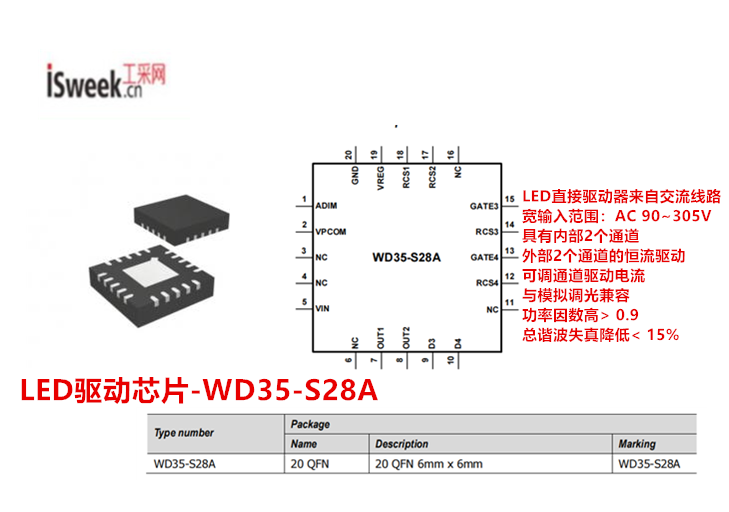
具備更強的LED電流驅動能力并支持模擬調光的交流直驅LED驅動芯片-WD35-S28A
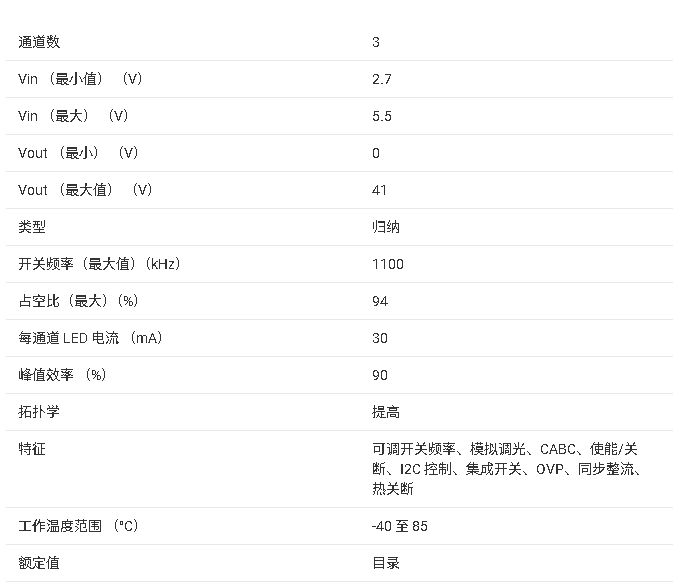
LM3633 LED驅動芯片的技術文檔總結
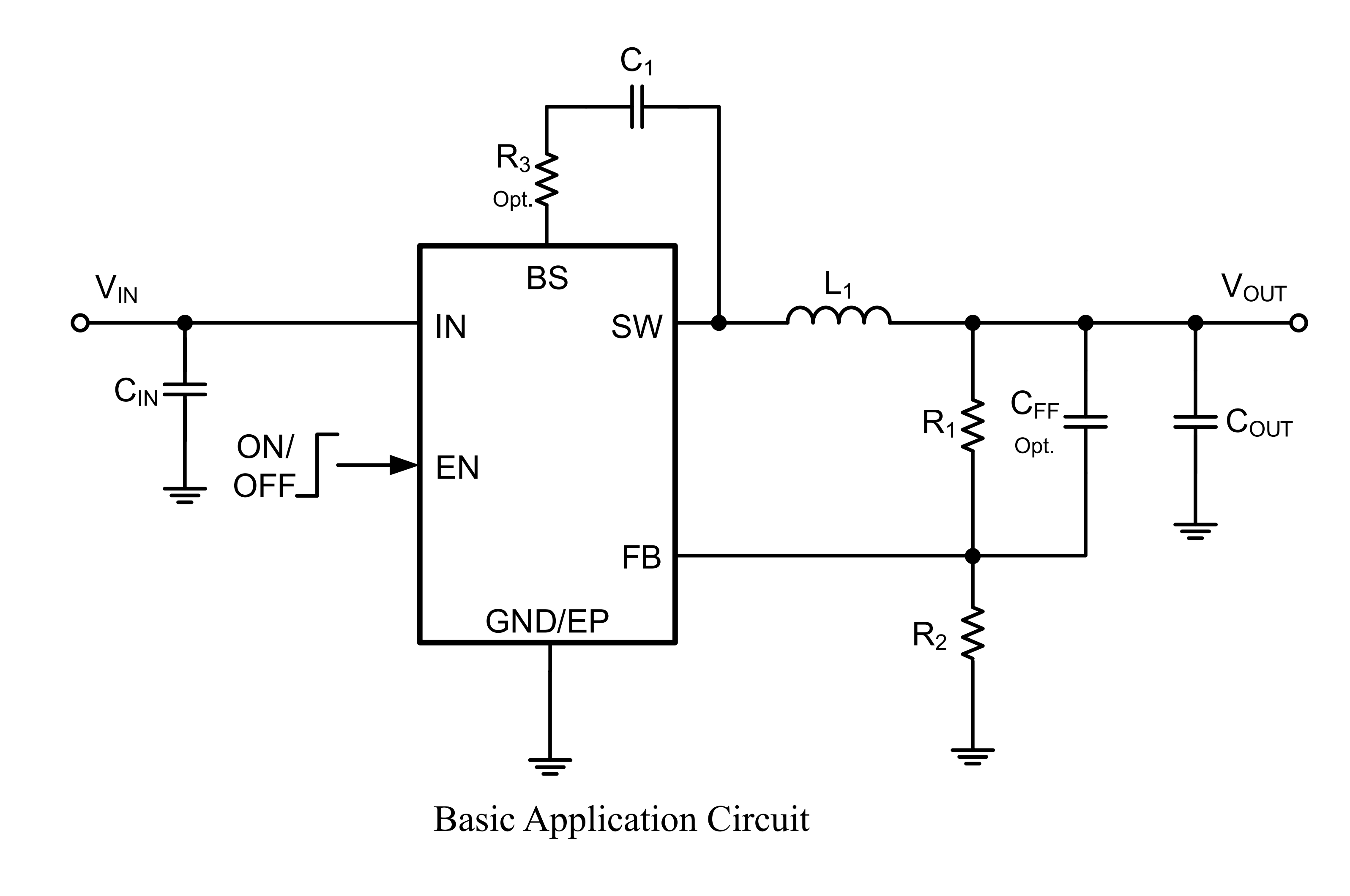
AP8105:采用先進PFM控制架構的高效率、低紋波DC-DC升壓轉換器
轉換效率達97.3%,基于SEPIC轉換器的太陽光模擬器電路建模與仿真

6通道、高效率白光LED驅動器,帶有觸摸屏驅動器電源 skyworksinc

【嘉楠堪智K230開發板試用體驗】CanMV K230 開發環境搭建
省電又抗造!這顆‘電源小鋼炮’讓設備告別卡頓和死機!36V寬壓輸入+3.5A狂暴輸出,巴掌大的“電力永動機

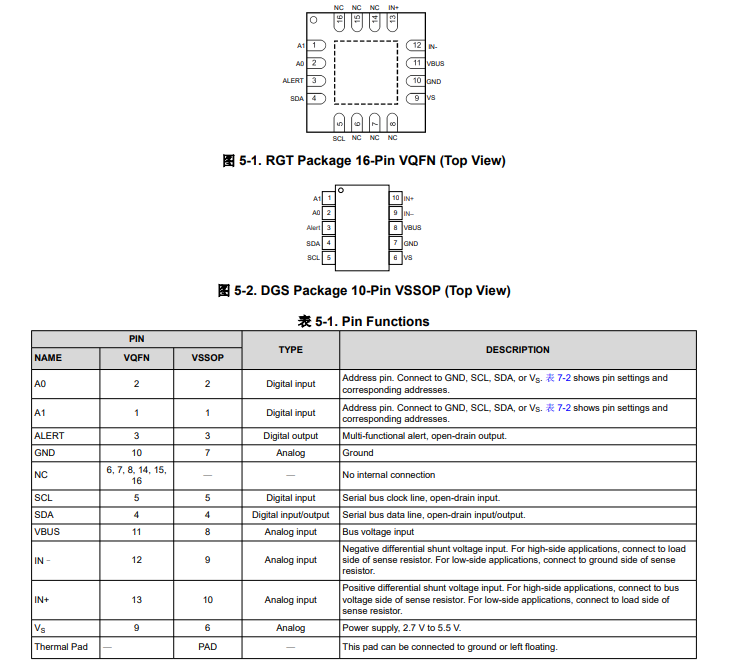
INA230 具有警報功能的 36V、16 位、I2C 輸出電流、電壓和功率監測器技術手冊
電源效率高于 98%,DA9313高電流無電感電源轉換器數據手冊
MDD快恢復二極管在開關電源中的應用:如何提高轉換效率?
功率放大器的轉換效率指的是什么



 工商網監
工商網監
評論