


 預測SiO2基玻璃的密度和彈性模量

高彈性模量、低重量的SiO2基玻璃的化學設計是一個重要的研究課題。然而,由于彈性模量是原子間鍵和鍵序在不同尺度上的復函數,在合成前很難找到一個根據玻璃成分預測彈性模量的通用表達式。特別是,如何發現新的玻璃成分以獲得高彈性模量和低密度,對當今強化和耐用的SiO2玻璃材料的發展具有重要意義。與晶體材料不同的是,SiO2基玻璃的彈性模量不僅由原子鍵合強度決定,而且還取決于許多其他物理性質在不同尺度的復合函數,如陽離子配位、原子環、鏈、層和多面體原子團簇的形成,甚至是在介觀尺度上的結構組織。此外,氧化物添加劑還引入不同價態的陽離子,不僅改變了陽離子與氧的鍵合強度,而且還改變了網絡聚合的程度。因此,SiO2玻璃的彈性模量是氧化物化學成分的復雜函數,很難開發理論模型來探索多種添加劑氧化物的混合效應,很難直接用于發現新的玻璃成分,很難定量地解釋與玻璃化學有關的優化結果。
來自Michigan大學的Liang Qi (齊亮)教授等,將機器學習(ML)方法與高通量MD模擬相結合,建立了一個定量準確的模型,根據玻璃成分,預測SiO2基玻璃的密度和彈性模量。研究了Li2O、Na2O、K2O、CaO、SrO、Al2O3、Y2O3、La2O3、Ce2O3、Eu2O3、Er2O3、B2O3和ZrO2等13種添加劑的效果。訓練集是使用MD模擬生成的,以均勻采樣組成二元和三元系統的一部分的密度和彈性。從用于MD模擬的力場勢和元素摩爾分數中精心構造了一組描述符,以囊括其物理和成分信息。通過大量的模擬和實驗數據的驗證,模型不僅在訓練集的組成范圍內,而且在訓練集的高維組成空間內,都對SiO2基玻璃的密度和彈性模量具有很好的預測能力。所建立的ML模型可用于快速篩選玻璃組成特性,從而對一般多組分玻璃體系的密度和彈性特性進行有效的預測,特別是未探索的組成區域。
該文近期發表于npj Computational Materials 6: 25 (2020)
Predicting densities and elastic moduli of SiO2-based glasses by machine learning
Yong-Jie Hu, Ge Zhao, Mingfei Zhang, Bin Bin, Tyler Del Rose, Qian Zhao, Qun Zu, Yang Chen, Xuekun Sun, Maarten de Jong and Liang Qi
Chemical design of SiO2-based glasses with high elastic moduli and low weight is of great interest. However, it is difficult to find a universal expression to predict the elastic moduli according to the glass composition before synthesis since the elastic moduli are a complex function of interatomic bonds and their ordering at different length scales. Here we show that the densities and elastic moduli of SiO2-based glasses can be efficiently predicted by machine learning (ML) techniques across a complex compositional space with multiple (》10) types of additive oxides besides SiO2. Our machine learning approach relies on a training set generated by high-throughput molecular dynamic (MD) simulations, a set of elaborately constructed descriptors that bridges the empirical statistical modeling with the fundamental physics of interatomic bonding, and a statistical learning/predicting model developed by implementing least absolute shrinkage and selection operator with a gradient boost machine (GBM-LASSO)。 The predictions of the ML model are comprehensively compared and validated with a large amount of both simulation and experimental data. By just training with a data set only composed of binary and ternary glass samples, our model shows very promising capabilities to predict the density and elastic moduli for k-nary SiO2-based glasses beyond the training set. As an example of its potential applications, our GBM-LASSO model was used to perform a rapid and low-cost screening of many (~105) compositions of a multicomponent glass system to construct a compositional-property database that allows for a fruitful overview on the glass density and elastic properties.
責任編輯:pj
-
機器學習
+關注
關注
66文章
8553瀏覽量
136953 -
玻璃材料
+關注
關注
0文章
2瀏覽量
5812 -
SiO2
+關注
關注
0文章
24瀏覽量
8851
發布評論請先 登錄
基于橢偏光譜法研究不同基底對TiO?/SiO?薄膜光學常數的影響

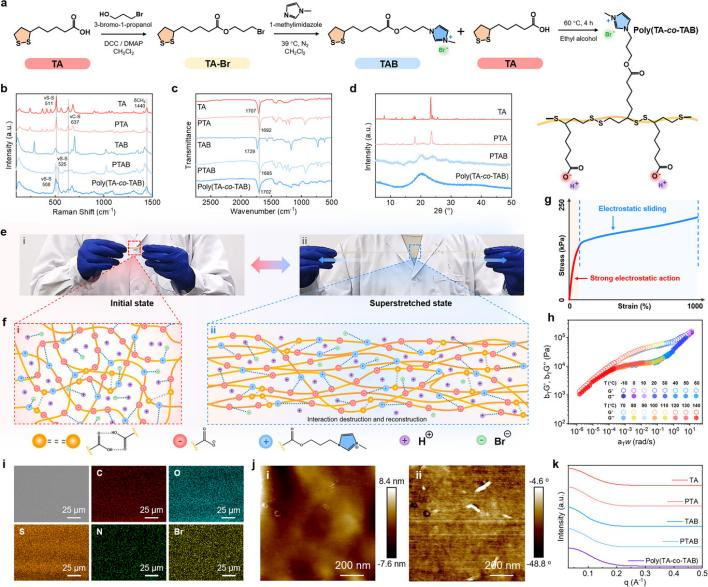
電子科技大學:研究超級可拉伸電子傳感器:可持續聚硫辛酸基彈性體的革命性突破
DMA彈性映射功能
臺階儀在Li?O-Al?O?-SiO?光敏微晶玻璃微結構制備中的應用
Leadway GaN系列模塊的功率密度
基于全局預測歷史的gshare分支預測器的實現細節
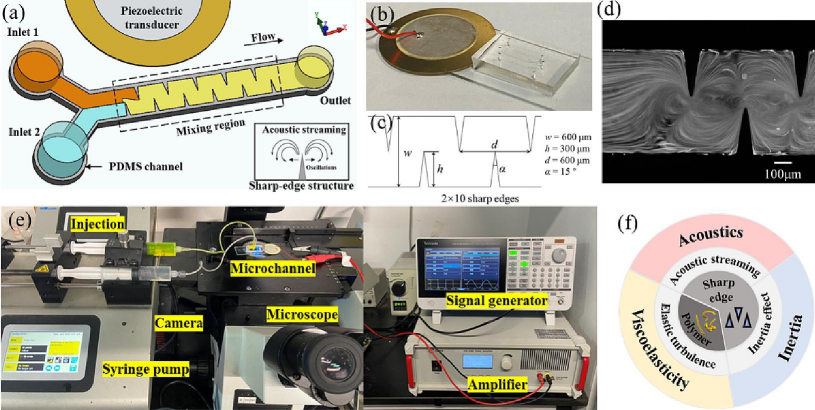
利用ATA-308C功率放大器驅動非牛頓流體聲彈性流的微通道精密研究
「行業動態」玻璃基技術:透明基板上的中國智造革命
采用扇出晶圓級封裝的柔性混合電子
橢偏儀原理和應用 | 精準測量不同基底光學薄膜TiO?/SiO?的光學常數
VirtualLab Fusion應用:氧化硅膜層的可變角橢圓偏振光譜(VASE)分析
晶振頻偏超差?這5個核心因素正在悄悄改變你的時鐘精度
通過LPCVD制備氮化硅低應力膜
【「芯片通識課:一本書讀懂芯片技術」閱讀體驗】芯片怎樣制造
差示掃描量熱儀測量橡膠材料的玻璃化轉變溫度



 工商網監
工商網監
評論